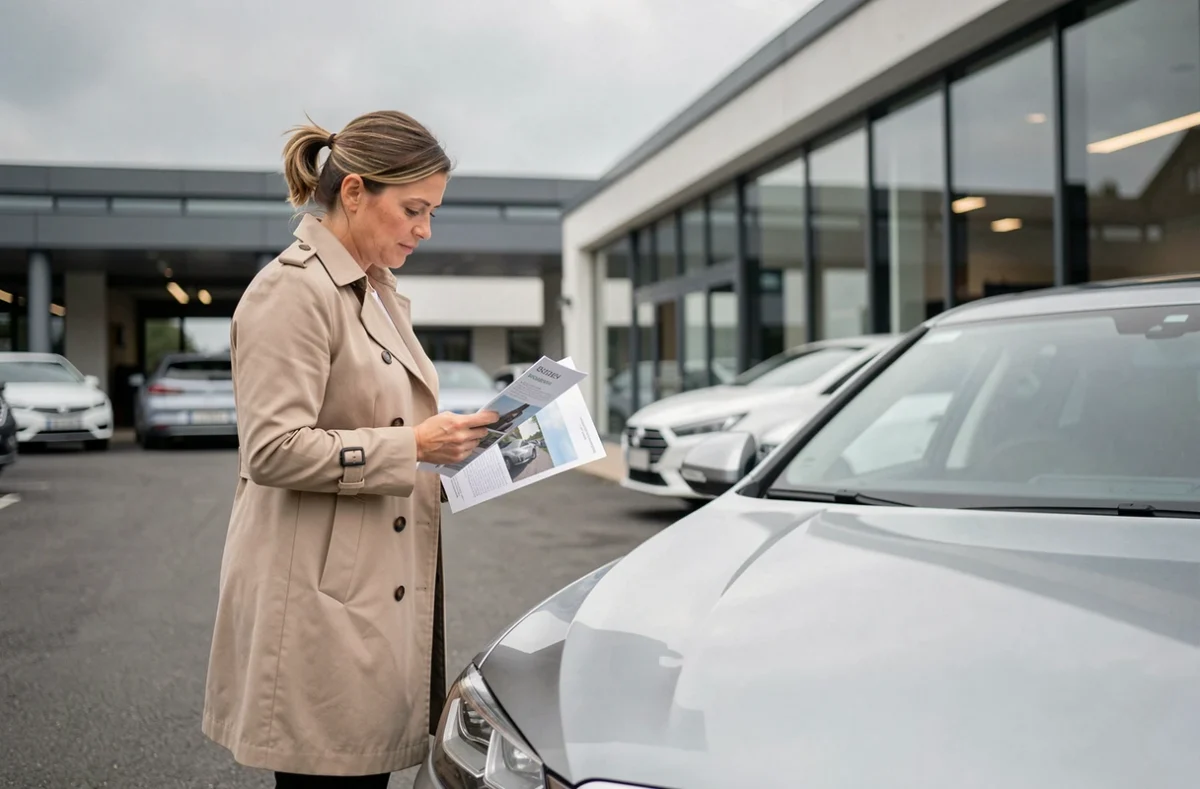
In Switzerland, electric cars account for just 6% of vehicles on the road, while plug-in hybrids make up 3%. Yet sales of new vehicles with these powertrains are growing steadily. This gap between new-car sales and the vehicles actually on the road creates a unique situation: choosing a model depends as much on where you live as on the vehicle’s specifications.
Charging an electric car without a home charger: how your canton makes a difference
You live in an apartment or condominium without an equipped parking space. This applies to a large proportion of Swiss buyers interested in electric cars. Before comparing models, check the density of the public charging network in your canton and the distance between your home and the nearest charging station.
You also need to be able to charge without going too far out of your way. If you mainly drive in the city and there are fast chargers within ten minutes of your home, an electric car is still a viable option. In rural areas or cantons with fewer charging facilities, a plug-in hybrid offers more flexibility if you don’t have a home charger.
Vehicle taxes also vary from canton to canton, based on criteria that may include weight, power or powertrain type. The same electric model can incur significantly lower annual taxes in one canton than in another. Before setting your total budget, always check using the tax calculator for your canton of residence.
To assess a vehicle’s mechanical condition before buying, whether new or used, an independent technical inspection provides tangible peace of mind: https://www.ct-automobiles.ch.

Total cost of owning a car in Switzerland: beyond the list price
The price shown at the dealership is only a fraction of what you’ll actually spend. Why is this so often underestimated? Because recurring costs vary considerably depending on the powertrain and canton.
Include the following costs in your calculations:
- Third-party liability and comprehensive insurance, with premiums depending on the model, your driver profile and where you live.
- Cantonal vehicle tax, calculated differently from one canton to another (based on weight, engine capacity, CO2 emissions or power).
- Routine maintenance: an electric vehicle needs fewer mechanical repairs than a combustion-engine car, but replacing the battery can be a significant expense once it is out of warranty.
- Energy: the cost per kilometre for an electric vehicle is still lower than for a petrol or diesel model, but it depends on your provider’s rates and how often you use fast chargers, which are often more expensive.
The total cost over five years can vary by several thousand francs depending on the powertrain you choose. A model with a higher purchase price may cost less to run, and vice versa. Calculate the costs over your planned ownership period, not just the upfront price.
Used electric cars in Switzerland: checks you shouldn’t overlook
The used electric-car market is growing. Recent models are appearing at attractive prices, often as leasing contracts come to an end. But these lower prices don’t mean you can skip the necessary checks.
The battery’s condition determines the vehicle’s true value. A battery diagnostic report (State of Health) shows its remaining capacity compared with when it was new. Switzerland’s automotive sector is currently building its expertise in high-voltage diagnostics, but not all garages are equipped to carry out these checks yet.
What to check before buying a used electric car
Ask about the remaining manufacturer’s warranty on the battery. Most manufacturers offer coverage for several years, but the time remaining depends on the vehicle’s age and mileage.
Check that the garage responsible for servicing the car has expertise in high-voltage systems. A workshop without the necessary training may refuse certain repairs or outsource them, leading to longer wait times and higher costs.
Ask about the previous owner’s charging habits. A vehicle charged mainly at fast-charging stations may have a more degraded battery than one that was mostly charged slowly at home.
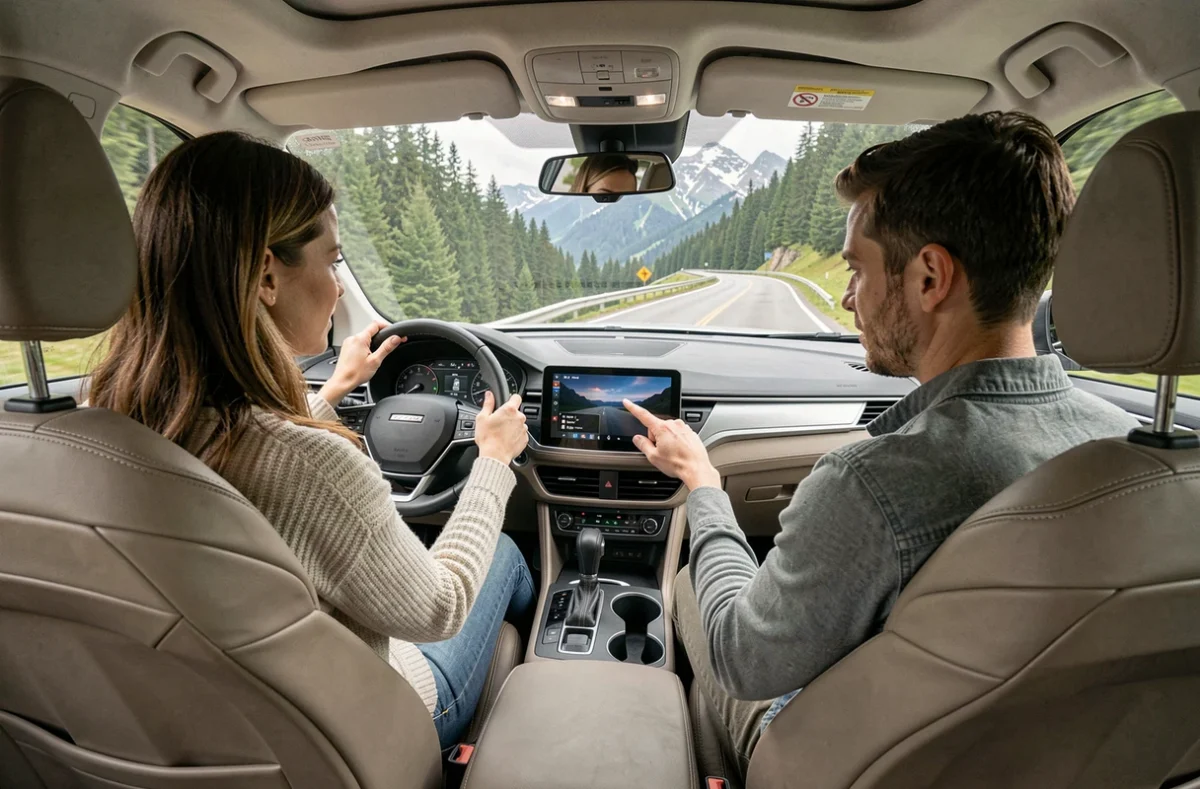
Choosing between a new car, a used car and leasing in the Swiss automotive market
Leasing accounts for a significant share of vehicle purchases in Switzerland. Its main advantage is access to recent models without tying up a large amount of capital. The downside is that you don’t own the vehicle, and return conditions can lead to unexpected charges (excess mileage or wear deemed abnormal).
A used car is still the most economical choice in the short term. The steepest depreciation occurs during the first two years. A two- to three-year-old vehicle often offers the best balance of features, reliability and price. New-car registrations in Switzerland fell by 2% in 2025 compared with 2024 and remain below pre-pandemic levels, so the supply of recent used cars may be more limited for some models.
New or used: the deciding factor
If you plan to keep your car for more than six years, buying new makes more sense: you get the full warranty and have a complete maintenance history from day one. If you plan to keep it for three to four years, a recent used car lets you benefit from the initial depreciation.
Leasing suits drivers who change vehicles regularly and prefer predictable monthly payments. Read the clauses on permitted annual mileage and return conditions carefully.
Energy labels and vehicle taxes: rules in flux
The Swiss Confederation has launched a consultation on revising vehicle energy labels. This proposal could change how buyers compare models in terms of efficiency. It has not yet been formally adopted, but it points to a likely direction: environmental criteria will probably play a greater role in taxation and cantonal incentives in the medium term.
A well-informed buyer takes this development into account. A low-emission vehicle bought today could benefit from future tax advantages, while the cost of owning an older combustion-engine model could rise. Anticipating these trends is part of making a rational vehicle choice in Switzerland.
The Swiss automotive market requires you to weigh several factors: powertrain, canton of residence, access to charging, ownership period and overall budget. A model that’s perfect for someone living in an apartment in Geneva may not be the right choice for someone in the Jura with a private garage. Every situation calls for its own calculations, not a one-size-fits-all answer.