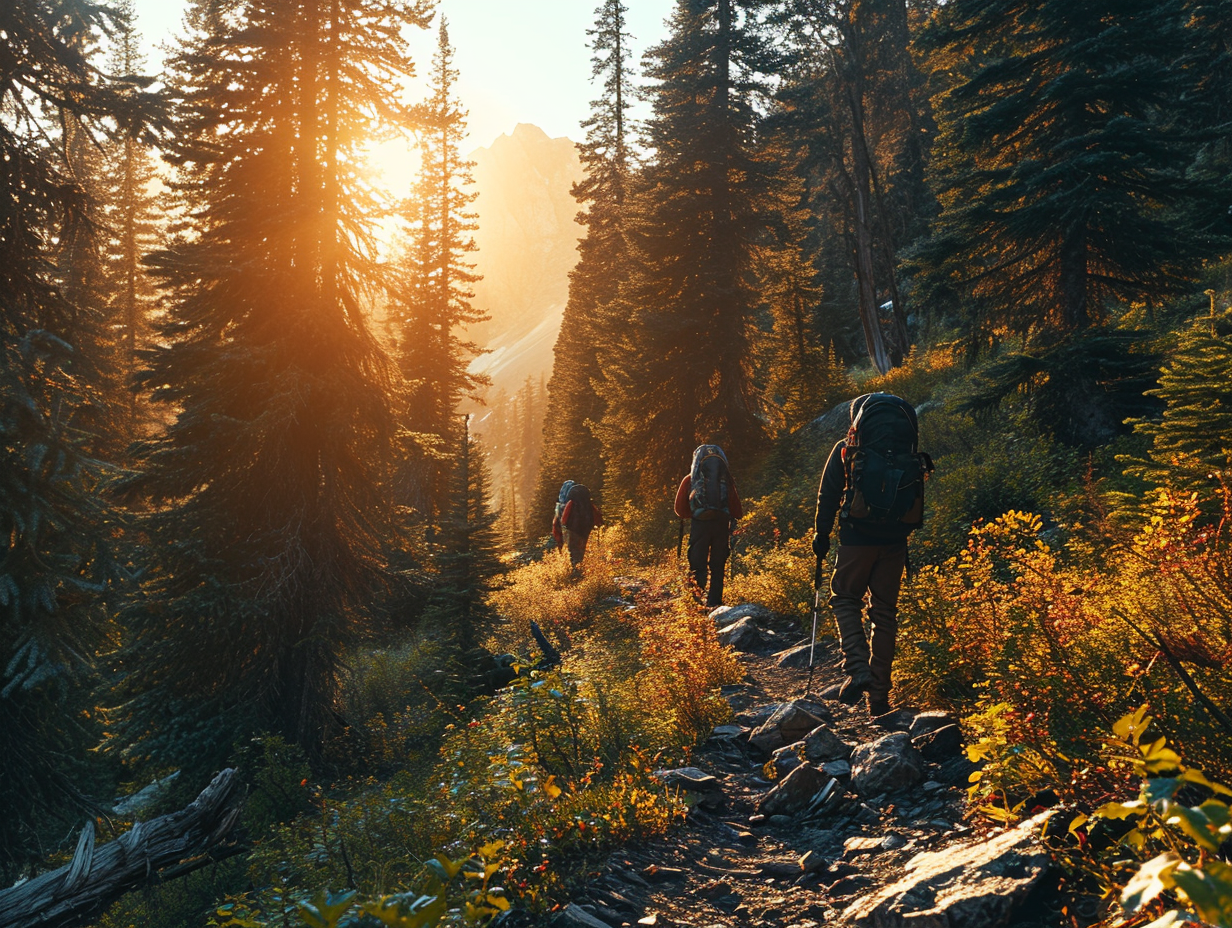
With the arrival of beautiful days, the call of the mountains becomes stronger for lovers of wide open spaces. However, hiking at altitude requires careful preparation and a good understanding of the basic principles for a safe and enjoyable experience. Whether for a novice eager to discover the joys of mountain walking or for an experienced hiker looking to refine their practices, it is essential to equip oneself properly, plan the route, and respect the natural environment. Practical advice is therefore indispensable to fully enjoy the breathtaking landscapes while staying safe.
The essentials of preparation for a mountain hike
Before embarking on steep trails, physical preparation is a non-negotiable prerequisite. Consider that good physical condition is the key to a successful and less strenuous hike. Start gradually, vary your physical activities, and allow yourself time to adapt, especially if you are starting after a period of inactivity. Mountain hiking requires endurance and flexibility, so work on these specific aspects.
Hiking shoes and backpacks are the pillars of your equipment. The former should be comfortable and suitable for the terrain; a poor choice can turn an idyllic outing into a nightmare. As for the backpack, it should fit your body shape and be spacious enough to hold your belongings without hindering your agility. Don’t forget to include an IGN map, an invaluable navigation companion that, although sometimes overshadowed by GPS technologies, remains a reliable and essential tool in case of electronic failure.
The route, meticulously planned, should be based on a thorough knowledge of the terrain and weather conditions. Check the weather before departure and stay flexible, ready to modify your route if necessary. The Anekdotes of experienced hikers confirm this: the mountains are unpredictable, and safety often depends on the ability to adapt to the whims of the weather.
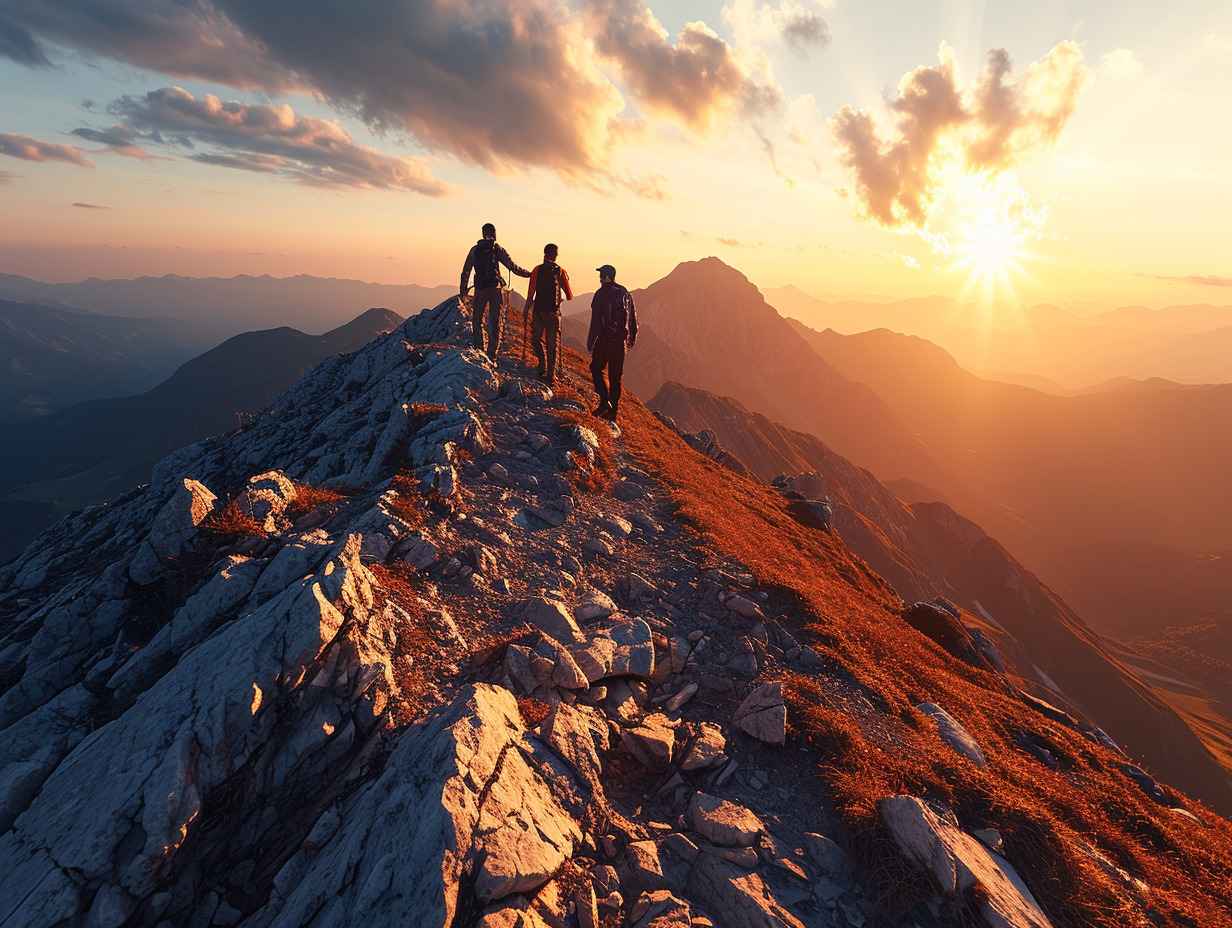
On the ground: practical tips for a successful mountain hike
On high-altitude paths, hydration management is crucial. Bring enough water for the entire duration of the hike and develop the habit of drinking regularly, even without feeling thirsty. Altitude increases water loss, an important detail to prevent dehydration. Regarding nutrition, prioritize light meals that are rich in nutrients and consider energy snacks to compensate for the significant caloric expenditure inherent in mountain efforts.
Navigation in the mountains remains an essential skill. Mastery of a topographic map and compass is still crucial, even in the digital age. GPS applications are certainly convenient, but they do not replace traditional navigation expertise, especially when out of network coverage or in case of battery failure. Always carry a copy of your route and know how to interpret it.
Safety should never be overlooked. Your backpack should contain a complete first aid kit, a survival blanket, and weather protection items, such as sunscreen and sunglasses. The latter protect your eyes from solar glare, which is particularly intense at altitude. Stay aware of the risks and be ready to turn back or seek shelter if weather conditions deteriorate.