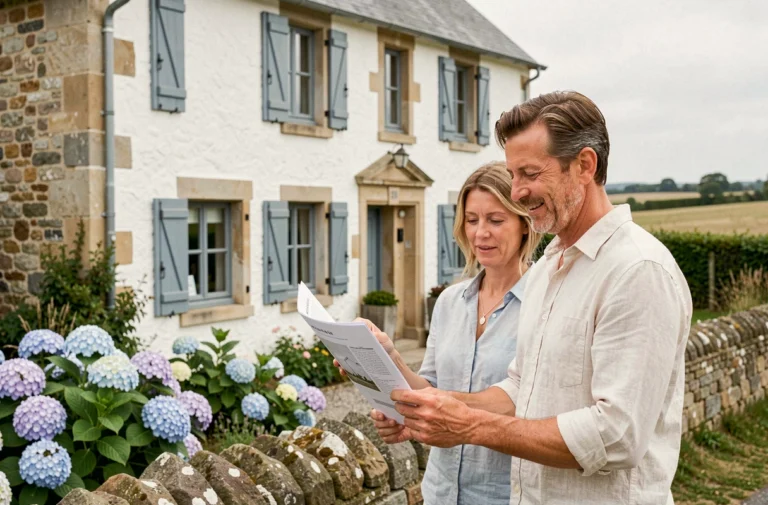
In France, one in five people is over 65 years old, and this number continues to rise each year. However, access to appropriate support systems varies greatly depending on the regions and personal situations.
Technological advancements and the evolution of medical practices are transforming support possibilities but also raise new questions about the choice and effectiveness of solutions. The balance between autonomy, safety, and quality of life remains complex to achieve for many seniors and their loved ones.
Understanding the New Challenges of Health and Well-Being among Seniors
The issue of seniors’ health is now on the agenda of public policies, in families, and among doctors. Older adults face a buildup of risks that disrupt their daily lives, whether in Paris, Marseille, Lyon, or elsewhere. Hypertension, diabetes, osteoarthritis, cardiovascular diseases: these conditions affect an increasing portion of the elderly population. Prevention is essential to delay loss of autonomy and limit the impact of visual disorders such as cataracts, AMD, or glaucoma.
But another, more subtle pitfall looms: isolation. This loneliness gnaws at vitality, weakening mental and physical balance. The mental health of seniors is not limited to the absence of disorders; it also relies on the strength of social connections, the ability to ask for help, and to break isolation. Addictions, such as alcohol, tobacco, and psychoactive medications, are increasing among the elderly, sometimes in silence. Precariousness and solitude: these contexts foster dependency, leaving relatives and caregivers sometimes at a loss.
To address these realities, several levers deserve to be activated. For example:
- Targeted prevention actions
- Regular screenings to anticipate complications
- Personalized support according to needs
The stakes go far beyond simple disease management. Preserving autonomy, ensuring an adapted and dignified quality of life, requires continuous and collective mobilization. To learn more about Ma Santé 360, explore the resources available to support seniors, prevent difficulties, and assist in daily life.
What Concrete Solutions to Support Autonomy and Quality of Life on a Daily Basis?
Maintaining the autonomy of seniors involves a combination of adapted solutions. Staying at home remains the preferred choice: adapting the home, providing human presence, using assistive technologies. A redesigned bathroom, a secure kitchen, well-placed grab bars… each modification reduces fall risks and prolongs independence. In terms of funding, programs like APA (personalized autonomy allowance) or the tax credit for home adaptation facilitate the completion of these works. Pension funds and social security also offer various support services and prevention programs.
Daily life is also built on beneficial habits for health. Prioritizing a balanced diet, rich in proteins, calcium, and fibers, and ensuring regular hydration helps prevent deficiencies and dehydration. Physical activity, even moderate (walking, aquagym, yoga, pilates, cycling), helps limit osteoarthritis and chronic diseases. The WHO recommends 150 minutes of exercise per week, while the HAS advises regular health check-ups after 65. Medical follow-up, with the primary care physician, ophthalmologist, dentist, or for vaccinations, remains central.
The social connection proves crucial for preserving autonomy. Family, friends, associations, clubs, creative hobbies, memory games: all opportunities to stimulate the mind and cultivate conviviality. Several initiatives exist to support and prevent:
- Home help services
- Addiction prevention workshops
- Nutrition assessments offered by health insurance
By weaving this network of initiatives, we strengthen the quality of life of seniors every day.
Practical Tips and Tricks to Promote the Physical, Mental, and Social Well-Being of Seniors
In everyday life, the overall well-being of seniors relies on the repetition of simple and regular actions. Eating balanced meals lays the foundation: prioritize proteins (lean meats, eggs, legumes) to preserve muscle mass, calcium (dairy products, almonds, sardines) for bones, and ensure fiber intake through fruits, vegetables, and grains for harmonious digestion. Regular hydration prevents fatigue, confusion, and decreased energy.
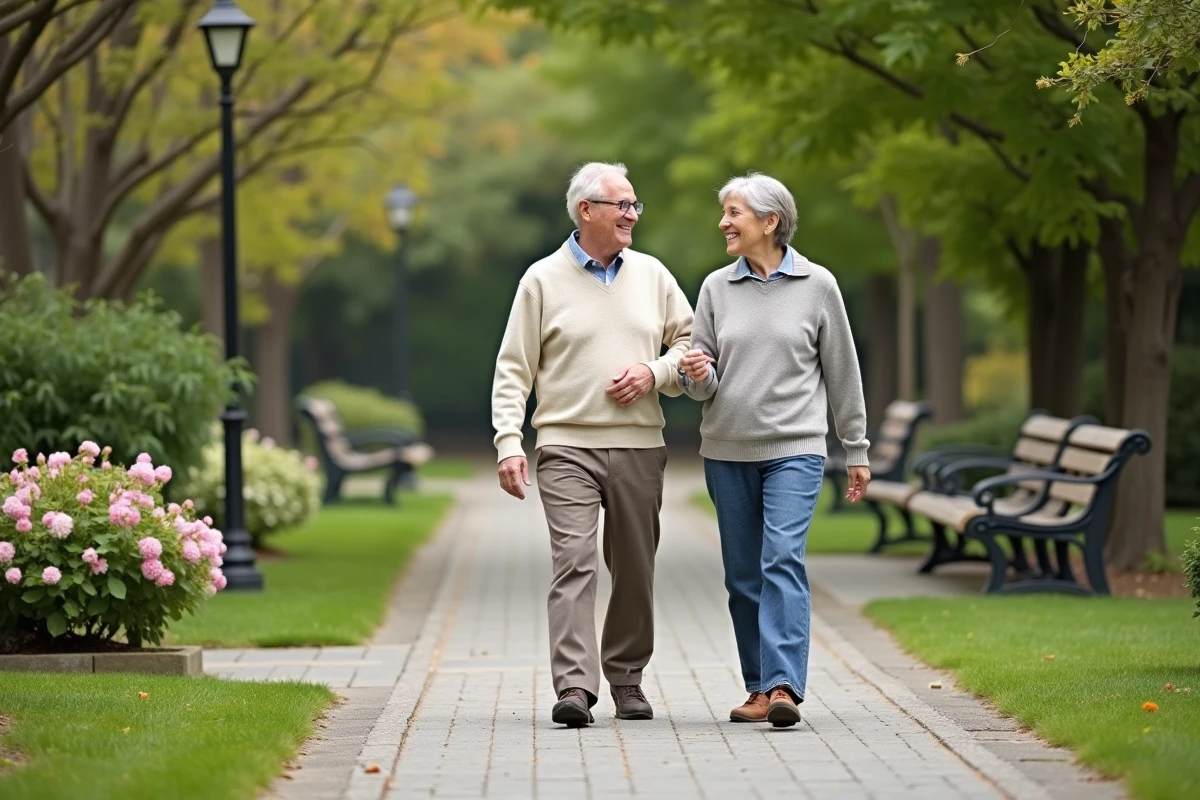
Maintaining physical health involves adapted activities: daily walking, yoga, and aquagym promote flexibility and limit joint pain. Whether it’s gentle walking, pilates, swimming, or cycling, each exercise maintains mobility and reduces the likelihood of falling. The World Health Organization recommends achieving 150 minutes of moderate activity each week for seniors.
Keeping a strong social connection helps combat isolation: sharing meals, interacting with loved ones, participating in workshops, clubs, or community activities provides momentum. Gardening, reading, creative hobbies, and memory games stimulate cognition and enhance mental health. A few minutes of conversation, a shared project, a regular meeting: that’s all it takes to reweave the fabric of daily life.
The balance of sleep also deserves constant attention: establishing calming rituals, prioritizing a quiet room, and adhering to regular schedules promote good recovery. Requesting annual health assessments and remaining attentive to any physical or psychological changes allows for prompt action, in consultation with the primary care physician.
Preserving the health and well-being of seniors means rejecting the inevitability of isolation or decline. Every gesture, every support, every shared project shapes a more serene daily life, where age does not rhyme with withdrawal but with regained vitality.