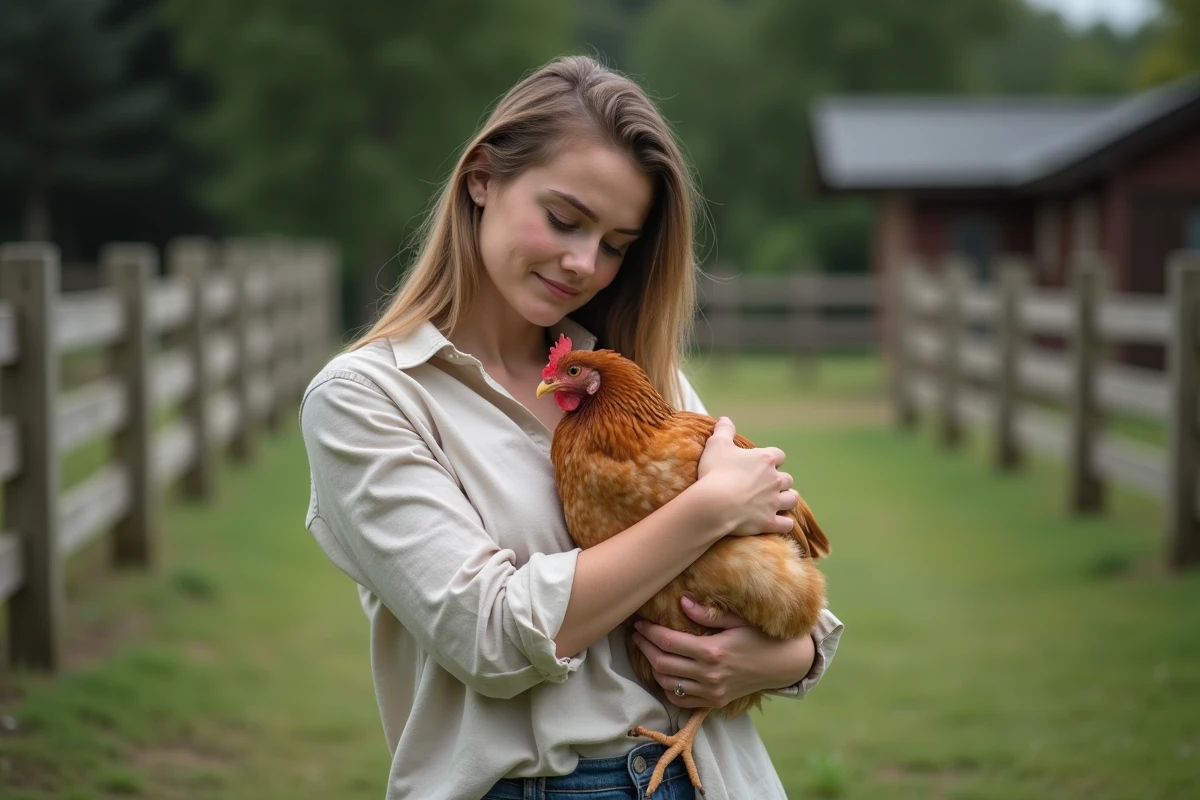
Animal welfare regulations vary greatly from country to country, lacking global consistency, even though science has recognized animal sentience for several decades. Despite this progress, a large part of farming, transport, and slaughter practices are subject to legal exceptions that allow for the circumvention of protection principles.
Entire sectors continue to benefit from exemptions in the name of tradition or economy. As a result, morality often takes a back seat. This observation fuels an increasingly vigorous challenge against animal exploitation and calls into question the legitimacy of collective choices that seemed unquestionable just a few years ago.
Why Animal Ethics Questions Our Relationship with Living Beings
Animal ethics, a subfield of moral philosophy, has established itself in public debate. It questions the place of non-human living beings in our societies, relying on the notion of sentience: the capacity to feel pain or pleasure. This criterion, now scientifically recognized, expands moral consideration beyond the human circle. Thinkers like Peter Singer and Tom Regan have paved the way, respectively advocating for utilitarianism and rights theory. Their message: species is no longer a legitimate criterion to justify differences in treatment; only the capacity to feel matters.
From this perspective, speciesism, or discrimination based on species, loses its last rational foundations, just as racism or sexism did before. The reflection, carried by Anglo-Saxon voices and echoed by activists, invites a shift in the lines: justice should not stop at the borders of our species but extend to all sentient beings. The animal rights movement, born from the major anti-discrimination struggles of the 1970s, demands equal consideration of interests and the abolition of exploitation.
This dynamic is reflected in a multiplication of initiatives, debates, and actions, similar to those carried out by Animal Liberation. The expansion of the circle of justice is no longer an abstract idea: it becomes the cornerstone of new collective responsibilities. We are no longer talking only about compassion but about principles to rethink, to build a coexistence based on moral concern for all beings capable of suffering.
Animal Exploitation: What Realities and Moral Issues Today?
Animal exploitation shapes daily life through intensive farming, laboratories, entertainment, and food. Every year, billions of animals endure living conditions synonymous with both physical and psychological suffering. In France, the subject is increasingly entering the public space, driven by the rise of veganism and debates on animal welfare.
Two opposing visions exist. Welfarism focuses on gradual improvements: more labels, information campaigns, new laws. This approach seeks to reduce suffering without questioning the use of animals. In contrast, abolitionism advocates for the end of all exploitation. For its supporters, reforms cannot be sufficient as long as animals remain legal objects, subject to human domination.
The animal rights cause is marked by this tension. The French Animalist Party embodies the politicization of the debate, while other movements demand a deeper transformation of our lifestyles and consumption patterns. Food practices, laws, consumption habits: everything is up for discussion.
To better understand the possible choices, here are some key points:
- Vegetarianism: the choice not to consume animal flesh.
- Veganism: the refusal of all exploitation, including the consumption of milk, eggs, or wearing leather.
The rise of animal welfare labels reflects a shift in mentalities but also shows the limits of gradual change. In the face of the scale of industrial farming, ethical arguments gain strength: animal liberation is gradually becoming a central demand for any society that claims to be equitable.
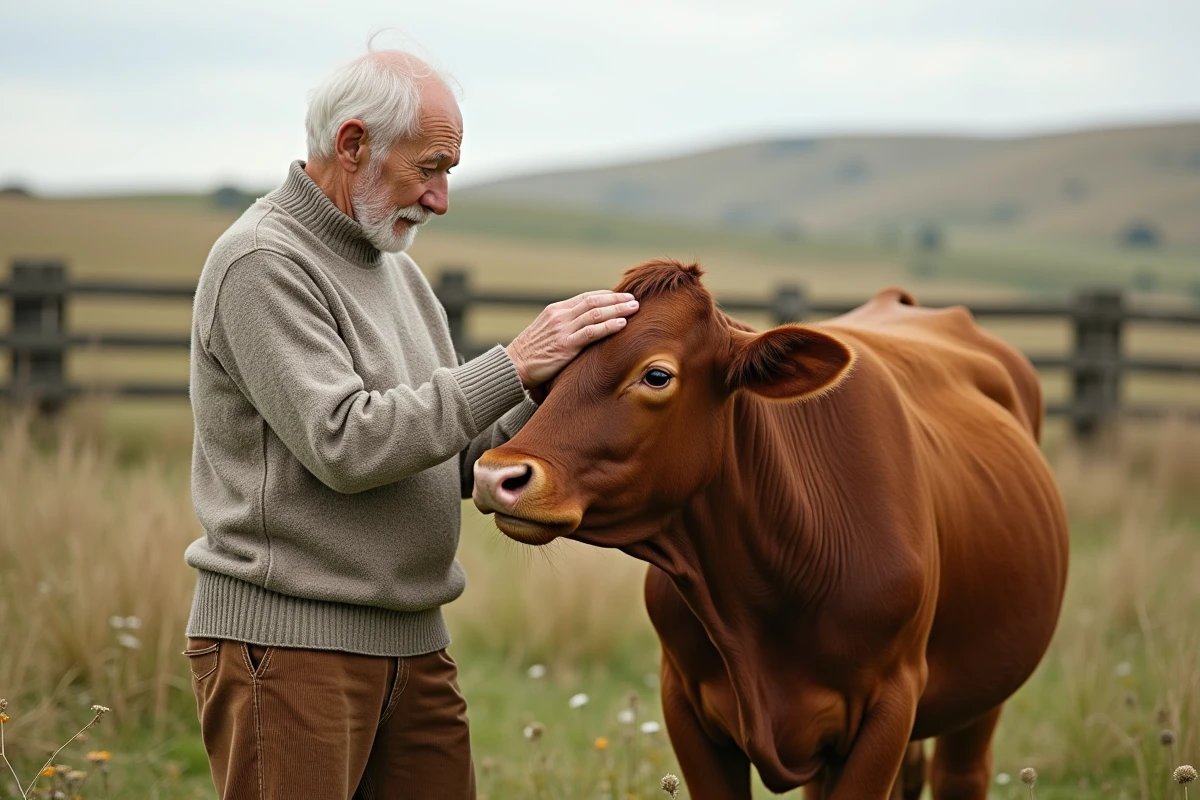
To Go Further: Resources and Reflection Paths on Animal Liberation
Delving into animal liberation requires broadening the perspective and exploring several avenues. Scientific publications, investigations, and major essays form a solid foundation for those wanting to understand the question of moral consideration given to animals. Peter Singer paved the way with Animal Liberation, which has become a reference text. His utilitarian analysis questions sentience as a criterion for moral inclusion. Alongside him, Tom Regan defends the theory of rights for sentient beings, while Kymlicka & Donaldson, with Zoopolis, propose a new political vision of animal fate.
Social sciences are closely examining the subject. The collective work Sociology of the Animal Cause (La Découverte, 2018) deciphers activist dynamics, the impact on public policies, and market evolution. The documentary Earthlings leaves a strong impression with its powerful images of industrial animal exploitation. On the philosophical side, Advocacy for Animals by Matthieu Ricard and The Anti-Speciesist Revolution under the direction of Bonnardel, Lepeltier, and Sigler give new momentum to the debate in France.
Here are some emerging axes of reflection today:
- Animal studies are taking their place in higher education and forming a new generation of experts.
- The reflection extends to social justice, moral philosophy, and activist strategies, whether it be campaigns, lobbying, or political action.
The debate is intensifying. Media, forums, events, and platforms from researchers and activists give the animal rights cause a transversal dimension, at the intersection of ethics, law, economics, and public policies. The question is no longer confined to the margins. It is already shaping the contours of a world that, tomorrow, will have to choose how far it wants to extend its justice.