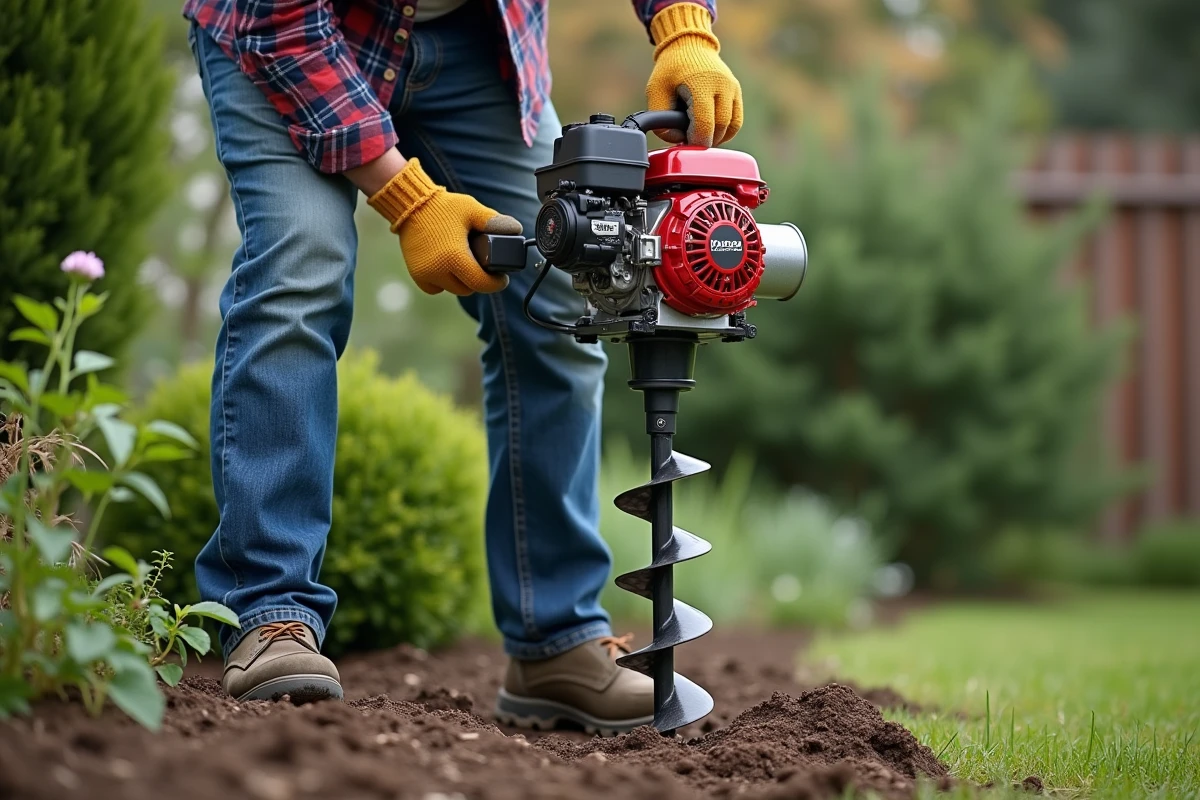
The choice of an auger does not depend solely on the diameter of the holes to be drilled, nor simply on the preference for a powered tool over a manual one. Some soils, even loose ones, can quickly block a powerful machine, while entry-level models are sometimes sufficient for occasional use on sandy terrain. There are notable discrepancies between the advertised performance and actual results, particularly in terms of autonomy, reliability, or user comfort. Local regulations on noise or pollutant emissions also influence the choice of a thermal model.
Overview of the different types of augers for the garden: manual, electric, or thermal?
The auger goes far beyond a tool meant to turn in the soil. Three main categories dominate the garden: manual, electric, or thermal versions. Each has its followers, uses, and limitations.
If you aim for simplicity, the manual auger is your ally for small jobs in loose soil. Effort is required, as is patience. The shape of the <strong(bit and the width of the model make a difference, but hard ground quickly complicates matters: one is soon brought back to the reality of physical strength.
In terms of comfort, the electric auger takes the advantage for sowing, bulbs, or creating small holes. Fast and maneuverable, it proceeds effortlessly as long as the terrain does not resist. But stones, clay, or dense roots remind it of its limits. When resistance increases, power is lacking.
The jump in capability comes with the thermal auger. Thanks to its thermal engine, it tackles deep holes, tree plantings, solid stakes, or fences without weakening. It is designed for large projects, and most importantly, it offers a wide range of bit diameters to adapt to diverse needs, from simple stakes to pits for adult trees.
To delve deeper and compare options based on your terrain, a detailed file is offered on the Le Jardinier Décorateur website. A useful insight to refine your selection before choosing the right machine.
What criteria should you prioritize when choosing the thermal auger suited to your needs?
Power and type of engine: the foundation of the choice
The ability of a thermal auger to penetrate compact soils directly depends on its power. For demanding terrain, a threshold of 1.5 kW is a minimum. When planning wider holes or large volumes, it is better to opt for a model that shows 2 kW or more.
To make a good choice, it is important to differentiate between the two main families of engines:
- 2-stroke engine: portable, easy to start. Ideal for occasional needs.
- 4-stroke engine: a bit heavier, but quieter and more fuel-efficient. It is intended for regular use and long sessions.
Each meets distinct practical expectations:
Bit diameter and drilling depth
The size of the bit determines the diameter of the holes. For most stakes or small subjects, aim for 80 to 150 mm. Tree plantings or large-scale work require up to 250 mm. Machines generally allow for depths between 70 cm and 1.2 m, to be adjusted according to the nature of the projects.
Handling, safety, and value for money
User comfort influences the efficiency and safety of the job site: ergonomic handles, anti-vibration devices, weight balance… These details make a difference, especially during repeated use. An emergency stop is essential. From a financial perspective, it is preferable to choose a durable machine, with accessible spare parts: a sensible choice when you want to avoid repurchasing every season.

Usage tips, safety, and selection of the best thermal augers on the market
Usage precautions and garden safety
Before each start, check the general condition of the thermal auger: check the bit, inspect the engine, detect any leaks. For your safety, the equipment is non-negotiable: thick gloves, safety glasses, appropriate shoes. A stable posture, straight back, and hands firmly on the handles during ignition form the basis of effective work. On hard ground, or scattered with roots, it is better to progress slowly, step by step, without rushing the machine. Be ready to cut the engine in case of blockage or unexpected obstacles.
Good maintenance practices and durability
At the end of the job, the bit deserves special attention: clean the blade and threading thoroughly to remove soil and debris. Regular checks of the air filter, oil level, and tightening of screws are necessary. Greasing the moving parts also preserves the longevity of the equipment. Between seasons, always store the auger in a dry place, away from moisture that could accelerate its aging.
Focus on reference models
A large-scale project often requires a model equipped with a 52 cm³ thermal engine. The best references combine drilling power with effective anti-vibration devices, true allies for reducing fatigue. Models offering quick bit changes gain versatility when the soil or nature of the work changes from one area to another in the garden.
Choosing the right auger empowers you to shape your terrain, regardless of the soil’s resistance. Where others stop, you will go all the way, roots and stones included.