A decree has never healed a wound, but it has paved the way for a profession that continually pushes its boundaries. In France, nurses are entrusted with responsibilities that, elsewhere, remain the exclusive domain of doctors. This uniqueness is accompanied by real technical autonomy and legal responsibility that often surprises even the professionals themselves. On the ground, days are marked by coordination, urgency, and constant dialogue with the team. Nothing is fixed; everything adapts, sometimes in just a few seconds.
Between codified protocols and the expectation of tailored support, the reality of the nursing profession is never limited to executing a prescription. It requires evaluating, preventing, explaining, adjusting, and, in the process, navigating through administrative paperwork that hardly lets up.
The central role of the nurse in the care pathway
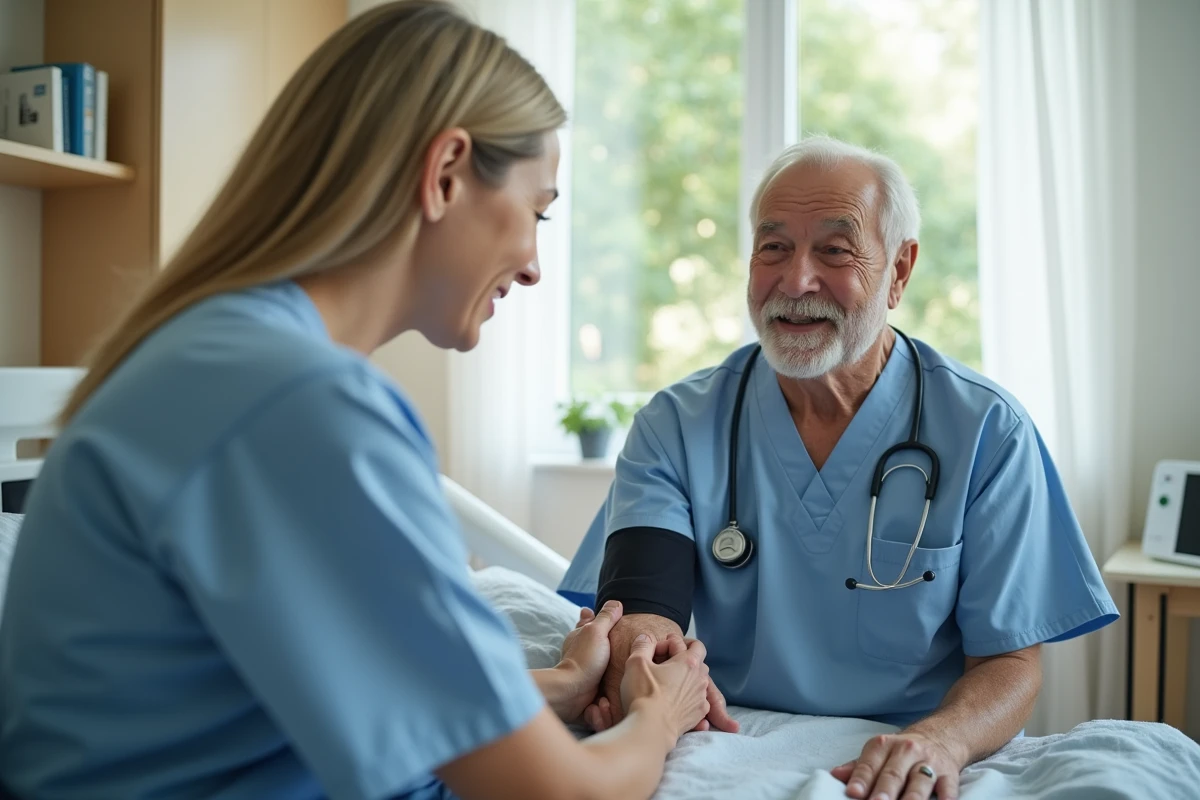
At the heart of the healthcare system, the nurse maintains the link between patients, doctors, nursing assistants, and all care providers. Their role begins even before the first injection: listening, understanding, questioning. They take the pulse, both literally and figuratively, of the situation, adjust care according to the evolution of the pathology, and bridge the gap between different specialists. Far from being a mere technician, they watch for subtle signs, capture the invisible, and anticipate the looming complication.
In the hospital as well as during home visits, the nurse becomes the patient’s reference point. They decode medical jargon, reassure families, and explain each action so that trust is established. All of this demands uninterrupted vigilance, rigor in action, but also the ability to react quickly, alert, and advocate for the patient in the face of a sometimes labyrinthine system.
It is impossible to summarize this profession in a list of tasks. To be convinced, one only needs to explore the services offered by Else Revue: the versatility of the nursing role unfolds there, from coordination to personalized support. It is this ability to connect, to transmit, to accompany, that makes the nurse a vital link for patients and medical teams.
Here’s how these missions manifest in daily practice:
- Daily patient support: being present, responding, adjusting to the unexpected.
- Clinical evaluation and monitoring: observing, analyzing, reacting at the slightest warning signal.
- Transmission and coordination of medical information: ensuring the flow of data, guaranteeing continuity of care.
- Prevention and health education: anticipating risks, informing, empowering the patient for tomorrow.
What skills and responsibilities on a daily basis?
The nurse experiences clinical practice up close. Observing, analyzing, deciding, every action is framed by the public health code. Skills do not stop at clinical monitoring: they encompass the management of the nursing care record, the cornerstone of quality follow-up.
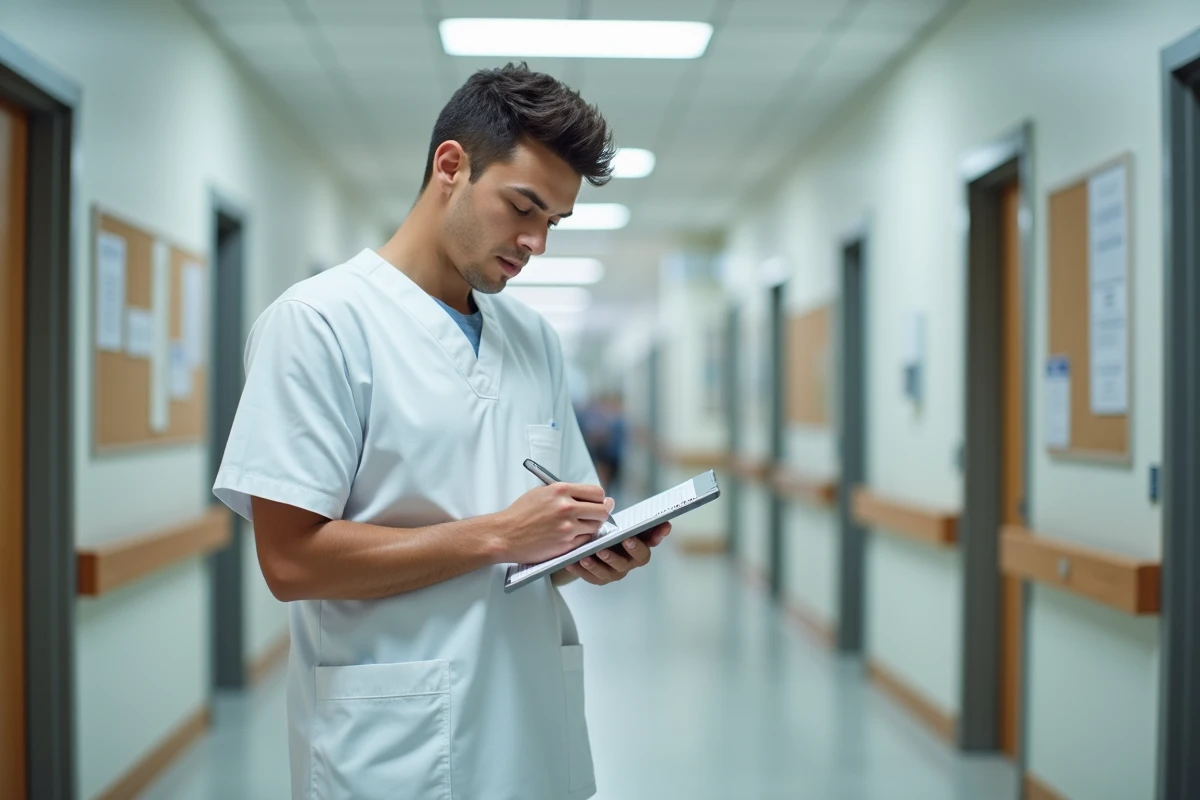
The typical day? Evaluating the patient’s condition, making a nursing diagnosis, adapting care according to protocols, but also writing and updating the record, a true memory of the care provided. This meticulous work ensures continuity of care and allows each team member to rely on the same reference points.
Among the key skills, we find:
- Monitoring: detecting the slightest alert, keeping a cool head, transmitting crucial information to the medical team.
- Management of the care record: documenting each intervention, ensuring traceability, and adhering to the legal framework.
- Initiative and adaptation: adjusting protocols in real-time, bringing forward proposals during team meetings.
It is impossible to be a nurse without constant vigilance. But the profession also involves training newcomers, welcoming students, sharing best practices, and participating in the creation of monitoring tools. This foundational skill set, constantly updated, adapts to the demands of advanced practice and the needs of each patient, while respecting a solid ethical framework.
Beyond care: a profession in constant evolution
The nurse of today no longer simply applies prescriptions. They invest in prevention, enrich their practice through continuing education, and engage in nursing research. Patient therapeutic education (PTE) has become a pillar: it aims to equip everyone to live better with illness, prevent relapses, and gain autonomy. Technical know-how is accompanied by ethical reflection, taking into account each individual trajectory and ensuring the quality of care.
Training, in fact, shapes a professional identity in motion. Scientific knowledge, field experience, and collective reflection intertwine during continuing education sessions and multidisciplinary team exchanges. The result: pathways that open towards mental health, social support, and psychological assistance. The nurse asserts themselves as a central actor in accessible and holistic health.
On the ground, this evolution translates into:
- Prevention of complications: identifying, alerting, acting before the situation escalates.
- Nursing research: documenting innovations, sharing advancements from the field.
- Therapeutic education: making the patient an active participant, enhancing their autonomy and quality of life.
In the face of diverse situations and the growing complexity of needs, the profession is constantly reinventing itself. The nurse of tomorrow will never settle for merely accompanying illness: they will carry the hope of a more humane, more enlightened approach to care, ready to adapt to each unique story.