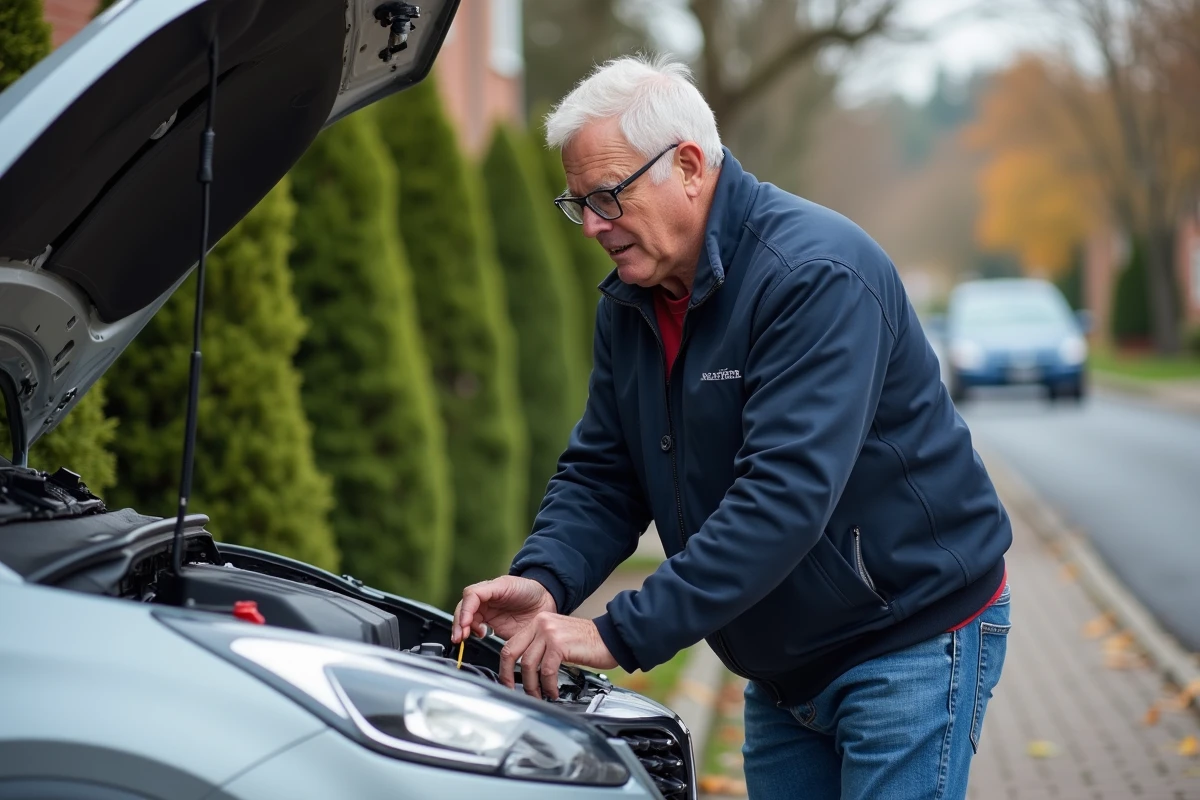
A well-stamped technical inspection booklet has never been enough to ward off unpleasant mechanical surprises. Even a brand-new vehicle can disappoint from its very first kilometers if basic checks are neglected. Small oversights accumulate, and safety cracks, even on lightly used machines.
Approximate maintenance actions, such as using an unsuitable lubricant or forgetting to monitor tire pressure, directly affect the vehicle’s reliability. Only consistent checks and relevant interventions truly protect against mechanical surprises.
What to know before choosing between a car and a motorcycle for your travels
Choosing a car or a motorcycle is not just a matter of preference. The stakes depend on the type of use, the frequency of your trips, and the context, such as regulated areas, heavy traffic, or distances to cover. For those accustomed to low emission zones, opting for an electric car becomes obvious as constraints tighten. In the city, the motorcycle maintains an advantage thanks to its agility and low consumption, ideal for escaping traffic jams.
It’s hard to ignore the question of purchase cost: while the automobile requires a higher investment, it compensates with significantly greater comfort, more safety, and a transport capacity that appeals to families or versatile users. The motorcycle, on the other hand, remains the benchmark for moving quickly and limiting maintenance and insurance costs.
Expert Auto Moto encourages everyone to consider all parameters before making a decision: average trip length, parking availability, fuel budget, maintenance requirements, each criterion weighs in the balance. For professional activities, the car offers flexibility and autonomy, while the motorcycle finds its place on short and repeated routes, where every minute counts.
To help you see more clearly, here are some concrete guidelines for choosing your mode of transport:
- Urban use: prioritize maneuverability and focus on reduced costs.
- Long trips: aim for comfort and safety, even if it means investing more.
- Low emission zones: anticipate restrictions, as electric is becoming a sustainable solution.
Comparing without haste ensures you drive a vehicle that aligns with your needs, without unnecessary compromises.
What maintenance actions to prioritize for safe driving?
To cover distances without fearing breakdowns, a few regular checks make all the difference. Forgetting chance means starting by monitoring tire pressure: a simple check with a gauge ensures optimal grip, whether the road is dry or wet. With the right pressure, you limit consumption and increase your chances of avoiding unpleasant surprises.
On a motorcycle, the chain tension should never be left to chance. A few millimeters too much or too little changes the riding feel and accelerates wear. On the car side, keep an eye on the engine oil level and the state of the coolant. A monthly check prevents many issues: overheating, engine failure, or loss of power.
Here are the checks not to neglect to ensure your daily safety:
- Regularly monitor oil levels and coolant.
- Check the condition of brake pads and discs.
- Ensure the cleanliness of optics and mirrors for maximum visibility.
A thorough wash of the bodywork, simply with clear water, provides lasting protection against corrosion and preserves the paint. For motorcyclists, removing mud and dust trapped between moving parts limits the risk of premature wear. Don’t rely on the technical inspection to address these details: diligent maintenance, done seriously, extends the life of your machine and guarantees reliability you can count on.
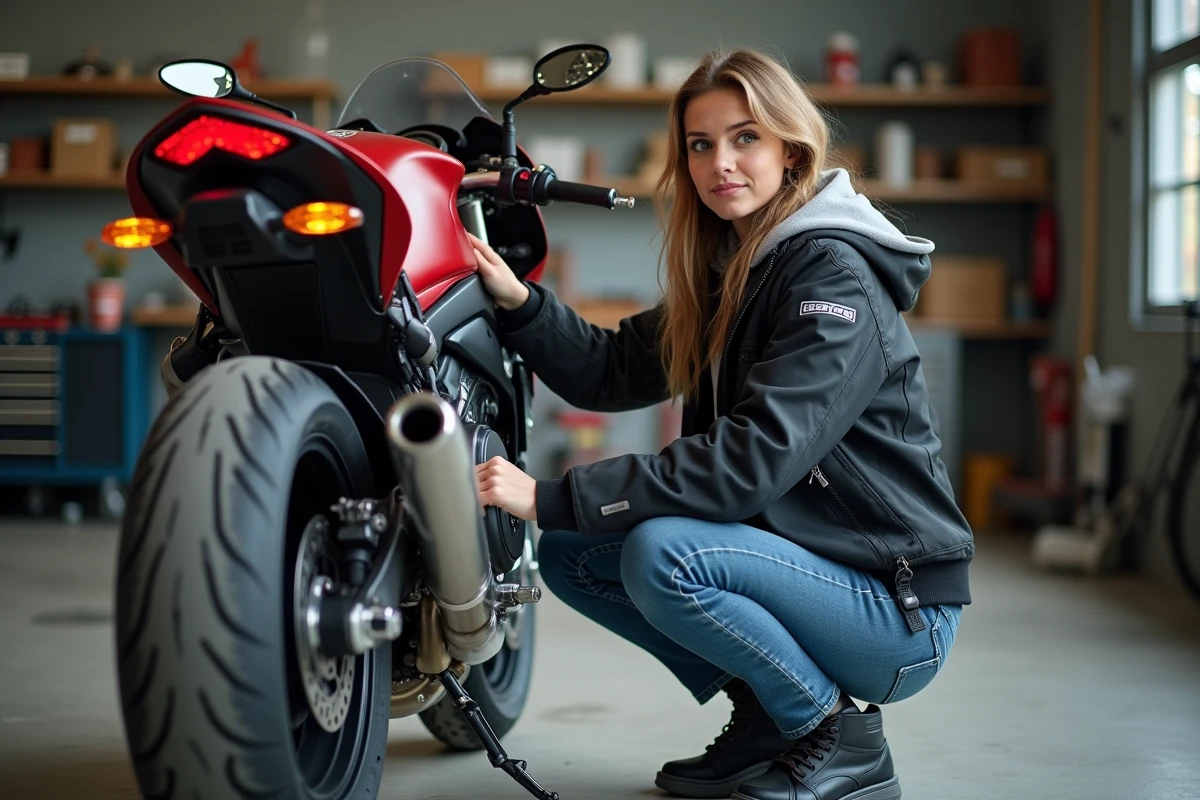
A well-maintained vehicle means fewer surprises, more freedom, and the promise of serene journeys. With each start, the difference is felt, and it’s anything but coincidence.