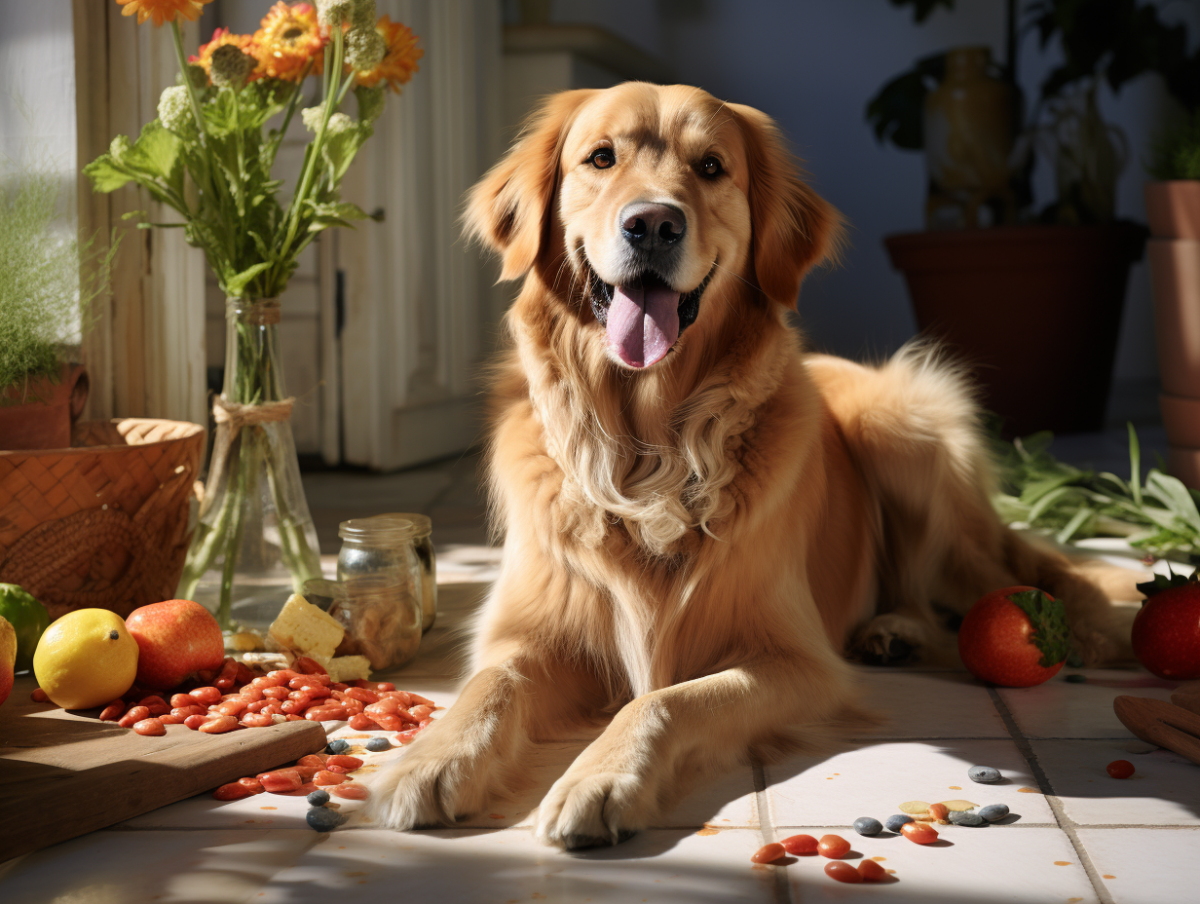
Canine nutrition is essential to ensure a healthy life and good physical condition for our four-legged companions. With a multitude of options available, ranging from standard kibble to organic or homemade diets, it is crucial to understand the specific nutritional needs of each dog. These needs vary based on numerous factors, such as age, breed, activity level, and any medical conditions. To keep your dog in top shape, it is important to follow proven recommendations and adapt to the advice of veterinary professionals.
The Fundamentals of a Balanced Canine Diet
Find the ideal nutritional balance for your companion by focusing on the quality of proteins, which are essential for building and repairing tissues. Fibers, on the other hand, promote healthy digestion and regular intestinal transit, while vitamins and minerals play a crucial role in maintaining the overall health of the animal. Puppies, in particular, have distinct nutritional requirements that necessitate special attention to the balance of their diet.
Owners opting for homemade food must ensure that the prepared diet covers all the nutritional needs of their dog. It is important not to give in to the ease of monotonous preparations, which, while tasty, may not provide all the necessary nutrients. Consider consulting a professional to develop an appropriate feeding plan.
As for dog kibble, choose high-quality products that are suitable for your animal’s age, size, and level of physical activity. Valuable tips for a balanced diet for your dog are often printed on the packaging, but checking with a veterinarian is always recommended to best tailor the food to the individual characteristics of each dog.
The frequency and quantity of meals are parameters not to be overlooked. Dogs benefit from regular feeding routines, which not only facilitate digestion but also prevent risks such as stomach torsion, particularly in large breeds. Be sure to establish a consistent meal schedule, in line with the recommendations of an animal health specialist.
Practical Tips for a Healthy Diet for Your Dog
Ensure that your dog’s meals are served at regular times to promote optimal digestion. Consistency in feeding times contributes to the animal’s digestive health and prevents issues such as stomach torsion, a serious problem in canines. Resist the temptation to feed your companion outside of these fixed times, even if it seems to beg for food.
Treats can be an excellent tool for positive reinforcement in your dog’s training. Use them sparingly to avoid disrupting the animal’s daily ration. Treats should be considered an integral part of the diet and not an unlimited supplement. Be discerning in your choice of treats, favoring those that offer nutritional value and are appropriate for your dog’s size and breed.
The constant availability of fresh water is fundamental to keeping your dog hydrated. Ensure that its water bowl is always filled and accessible throughout the day. Hydration plays a key role in regulating the animal’s body temperature and in the proper functioning of its kidneys. Pay attention to the cleanliness of the water and the bowl, ensuring they are refreshed frequently to prevent the growth of bacteria.