
In the world of home textiles, the throw blanket holds a special place, offering softness and warmth during cool evenings. However, this regular use requires proper maintenance to maintain the quality and softness of the material. Incorrect washing of a throw can lead to rapid deterioration, making this comfort item less pleasant to use. You need to know the appropriate cleaning tips and techniques to extend the life of your throw. Whether it’s a cotton, wool, or polyester throw, each material requires special attention.
Throws: discover all the options!
The different types of throws available on the market are numerous, each offering unique characteristics. To know how to wash a throw correctly, it’s important to be familiar with the type of material it is made from. Cotton, for example, is very easy to care for. It can be machine washed at a low temperature with a gentle detergent, then air-dried or tumble-dried on a low setting.
On the other hand, wool throws require more attention when washing. Due to their natural fragility and tendency to shrink, they should be hand-washed in lukewarm water with a special wool detergent. Avoid excessive rubbing and prefer a gentle pressing to remove dirt.
As for polyester throws or other synthetic materials, they can generally be machine washed at a low temperature with mild detergents without risk of damage.
It is therefore essential to carefully read the labels on throws before any washing operation to avoid any future problems.
Once you have identified the exact type of throw you wish to wash, you can move on to the necessary precautions before the actual washing.
Washing throws: essential precautions
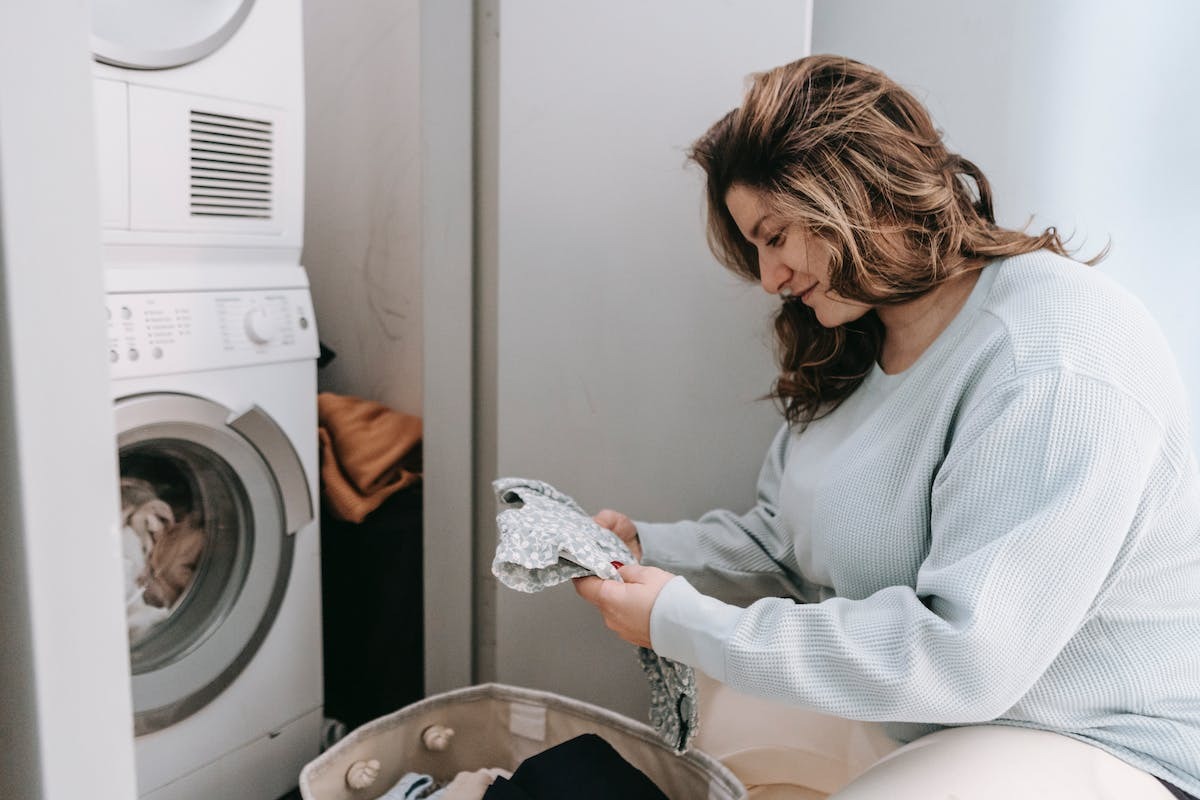
Before proceeding with the washing of your throw, consider taking a few precautions to ensure optimal results and avoid any damage. Make sure to check the seams of the throw. If you notice loose threads or tears, it is advisable to repair them before washing to prevent any worsening during the process.
If your throw has visible stains, it is wise to perform a pre-treatment using a method suitable for its specific material. For example, for food stains on a cotton throw, gently dab them with a cloth soaked in lukewarm soapy water before the complete wash.
Another important measure to take before washing is to completely empty your pockets if they are present in your throw. It is not uncommon for forgotten items to get stuck during the wash cycle and potentially damage not only your throw but also the washing machine itself.
When handling particularly bulky or difficult-to-maneuver throws, consider using a large basin or bathtub to make the task easier. This will also help avoid any risk of excessive overcrowding in the machine that could lead to mechanical issues.
Always keep in mind that each type of material requires specific care when it comes to drying after washing. Some throws can be air-dried, while others may require tumble drying on a low setting or gentle ironing to regain their original shape and softness.
Before washing your throw, it is crucial to take the necessary precautions by examining the seams, treating visible stains, and emptying your pockets. Facilitate the handling of bulky throws and follow specific recommendations for drying to preserve the quality and durability of your beloved throw.
How to wash your throws according to their type
When it comes time to wash your throw, be sure to consider the type of material it is made from. Indeed, each textile has its own characteristics and requires appropriate care to avoid any damage.
For wool throws, for example, it is recommended to opt for hand washing. Fill a basin with cold or lukewarm water and add a gentle detergent specifically designed for wool. Gently immerse your throw in the soapy water and let it soak for a few minutes. Avoid rubbing or twisting the fabric to prevent any deformation. Rinse thoroughly with clear water until all traces of soap are gone.
Cotton throws can generally be machine washed without major issues. Be sure not to mix different colors during washing to avoid any risk of unwanted discoloration. Use a delicate cycle with a moderate temperature (maximum 30°C) and prefer a gentle spin cycle to preserve the fabric’s structure.
As for synthetic throws made from acrylic or polyester fibers, they are often more resistant to mechanical washing processes. Therefore, you can choose to use a machine if you wish. However, always make sure to carefully read the instructions on the throw’s label before any cleaning, as some models may require a more delicate treatment.
Silk throws require special attention. Due to the fragility of this delicate material, it is best to opt for professional dry cleaning. Experts will know how to take the necessary precautions to ensure the integrity of the fabric is maintained and avoid any risk of damaging your silk throw.
For throws with special embellishments such as embroidery or beads, it is advisable to consult a specialist before attempting to wash. These decorative elements often require a specific cleaning method to preserve their original beauty without damaging them.
Each type of throw requires a different approach when washing. Whether you choose hand washing, machine washing, or even professional processes, always ensure to use products and methods appropriate to the specific material of the throw to avoid any potential damage and extend its lifespan.
Stubborn stains on your throws: here are the tips!
When your throw faces stubborn stains, you need to act carefully to effectively eliminate them. Here are some tips that will help you tackle these unwanted stains without damaging your precious textile.
For food stains, such as a small drop of sauce or a chocolate mark, start by dabbing gently at the affected area with a clean, absorbent cloth to remove excess material. Mix a teaspoon of mild dish soap with a little lukewarm water in a container. Apply this mixture to the stain using light circular motions until the stain disappears. Rinse thoroughly with clear water.
Ink stains can be particularly difficult to remove, but don’t panic! Place an absorbent paper under the stain to prevent it from spreading further. Lightly moisten a cotton swab or cotton ball with white vinegar and gently dab the affected area until the ink is completely gone. Once finished, rinse thoroughly and let it air dry.
Drying and ironing throws: the right methods
Once you have carefully washed your throw, you need to consider the steps of drying and ironing to preserve its quality and beauty.
Make sure to read the care label provided by the manufacturer. This will indicate the specific recommendations for drying your throw. Whenever possible, avoid putting your throw in a tumble dryer as this can lead to shrinking or damage to delicate fibers.
Prefer air drying instead. Lay your throw flat on a clean surface, such as a drying rack or table, ensuring it is not exposed directly to sunlight. Allow it to dry naturally for a few hours until it is completely dry.
If you are in a hurry and need to use a tumble dryer, select a delicate low-temperature program. Place a few clean tennis balls in the drum to help prevent the formation of lint and soften the fibers during the drying process.
Once your throw is perfectly dry, move on to the ironing step. Make sure to use the right temperature according to the type of fabric that makes up your throw (cotton, wool, acrylic…). Also set your iron to the appropriate function (synthetic/delicate).
Before you start ironing your throw, check if it is wrinkled or not. If necessary, you can use a bit of starch by lightly spraying it on the surface before passing the iron.
Start by ironing the less delicate areas, such as the edges of the throw, following the specific instructions for each type of fabric. Gently glide the iron over the entire throw using regular and continuous motions.
Be careful not to leave your iron in one spot for too long to avoid any burns or alteration of the fabric’s texture.
Once finished, allow your throw to cool completely before storing it carefully in a dry, clean place.
Throw maintenance: tips to keep them for a long time
Once you have carefully washed your throw, it is essential to follow some maintenance tips to ensure its longevity and preserve its quality. Here are some tips that will help you take care of your throws for many years.
Avoid direct exposure to sunlight as much as possible. UV rays can cause significant damage to textile fibers, leading to premature fading or even deterioration of the fabric. It is therefore recommended to store your throw in a dark place when not in use.
Consider protecting your throw from potential sources of excessive heat such as radiators or fireplaces. Intense heat can also damage the fibers and alter the texture of the fabric. Opt for a cool, ventilated space to keep your throws in good condition.
Speaking of storage space, avoid sharp or pointed objects that could create snags on the fabric. When storing your throws, ensure they are not in direct contact with other items that could potentially damage them.
Be sure to follow the specific instructions provided by the manufacturer regarding any potential dry cleaning of the throw. Some materials require professional maintenance to ensure their durability and original appearance. Don’t hesitate to consult a dry cleaning specialist if you have doubts about the best way to proceed.
It is advisable to regularly brush your throw to remove pet hair or lint that may accumulate over time. Use a soft brush and make gentle movements to avoid damaging the fabric.
By following these simple yet effective tips, you will extend the life of your favorite throws and continue to enjoy their comfort and beauty for many seasons to come. Don’t hesitate to take care of your throws as you would any other precious item, as they deserve all your attention.