
The year 2026 is reshaping the global sports landscape through structural reforms, record transfers, and changes in the calendar that affect football, tennis, rugby, and MotoGP alike. Understanding these changes allows for better tracking of an increasingly dense and interconnected sports news cycle.
FIFA Calendar 2026-2027: the 16-day international window that changes everything
The most significant reform this season concerns the elimination of the international break in October. For the 2026-2027 season, FIFA is now grouping four matches into a single 16-day window, from September 21 to October 6. This concentration, applied for the first time after its adoption in 2023, aims to limit interruptions to clubs’ domestic calendars.
This compression has direct consequences on squad management. Coaches must manage the fatigue of players who are playing four matches in two weeks, while clubs recover their international players earlier to resume Ligue 1 or the Premier League.
The Nations League perfectly illustrates this density: France-Italy at the Stade de France, Belgium-Turkey, Portugal-Denmark, all these matches are played within a tight calendar. For those who wish to find all the sportivoz content, each competition day brings its share of results and analyses to consider.

European Transfer Market: the threshold of 10 billion euros and the race for young talents
UEFA confirms a historic record: European men’s clubs have exceeded 10 billion euros in spending during the summer transfer window of 2026. This figure marks a symbolic threshold, but the most revealing trend lies elsewhere.
Investment in players aged 23 or younger has reached an unprecedented level. Clubs are betting on very young profiles, anticipating medium-term appreciation rather than recruiting established stars at high prices. This shift towards youth is changing training and scouting strategies at all levels.
What this record concretely means
- Mid-table clubs are accessing recruitment budgets that were reserved for top teams five years ago, fueling a widespread inflation of transfer fees.
- Training academies are gaining strategic value: a player trained at the club and sold at 20 can finance several recruitments.
- The pressure on agents and intermediaries is intensifying, with increasingly complex negotiations for minor or barely major players.
This dynamic partly explains why names like Barcola or Doué keep coming up in discussions surrounding the Ballon d’Or 2026, alongside more established profiles.
Rugby Top 14: the return to eight substitutes and its tactical effects
This season, the Top 14 is implementing a reform that profoundly changes match management: the return to eight substitutes on the bench. This change, seemingly minor, impacts the entire tactical chain.
With an additional substitute, coaching staffs have greater flexibility to manage the physical impacts of modern play. A prop or second-row player can be replaced earlier without risking a functional numerical disadvantage at the end of the match.
Impact on the game and team strategy
The direct consequence is an intensification of the pace in the second half. Coaches can send fresh players into key positions as early as the 50th minute, where previously they had to choose between tactical substitutions and those forced by injuries.
This reform also reignites the debate about the profile of bench players. Should clubs prioritize specialists capable of changing the course of the match in 30 minutes, or versatile players who can cover multiple positions? Clubs that best answer this question will gain a measurable competitive advantage by the end of the season.
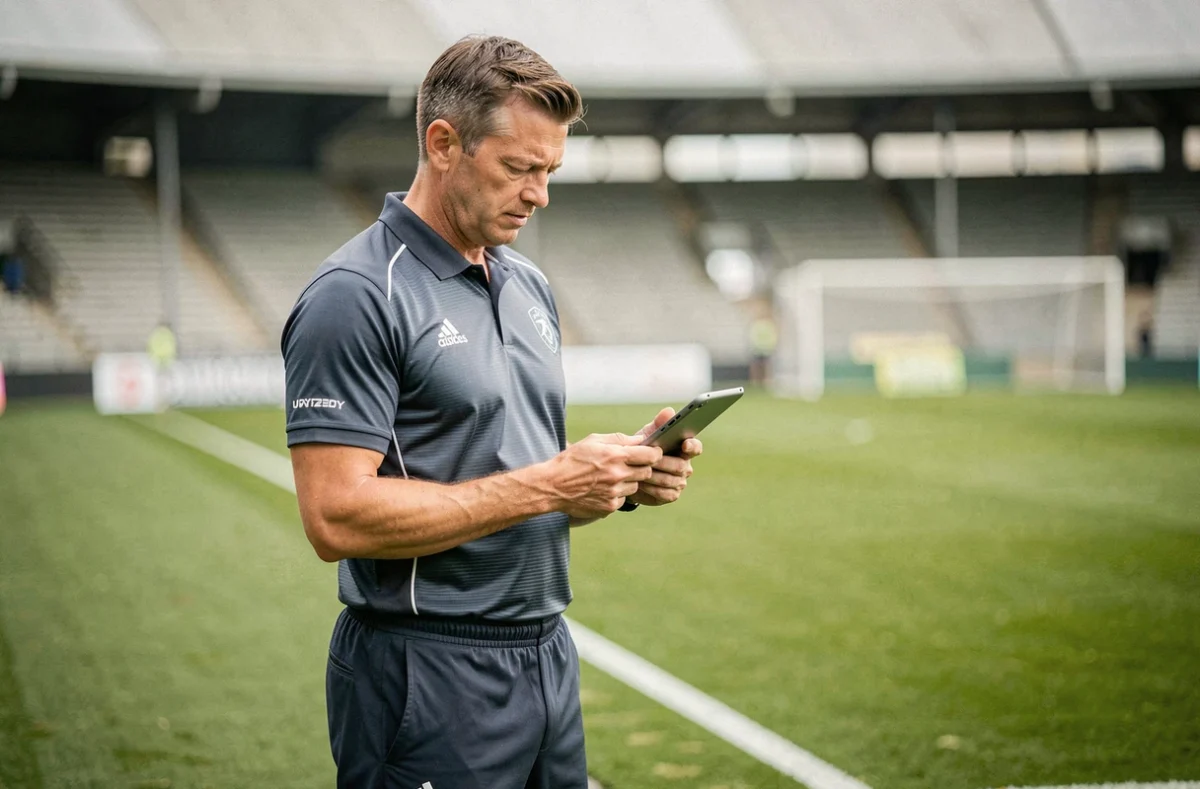
Amateur sports and coaching: a structural tension in 2026
While professional sports are breaking financial records, amateur team sports are facing an increasing imbalance. The SFIA (Sports & Fitness Industry Association) documents in its September 2026 report a record participation in team sports, but simultaneously highlights a decline in the base of volunteer and professional coaching.
This gap between the demand for participation and the capacity for coaching creates tangible tensions: waiting lists in clubs, reduced numbers of weekly training sessions, difficulty organizing local competitions due to a lack of referees or judges.
- The number of trained coaches and educators is not keeping pace with participation, creating a bottleneck in access to structured practice.
- Federations are forced to rethink their training models to attract and retain coaches, particularly among young adults.
This reality affects both France and other European and North American sports markets. It serves as a reminder that the health of a sports ecosystem is not measured solely by the performance of its elites, but also by its ability to welcome everyday participants.
MotoGP and tennis: individual breakthroughs that mark the season
In tennis, the autumn Asian circuit highlights contrasting trajectories. Carlos Alcaraz continues his journey in Japan with a methodical progression towards the quarter-finals. World tennis in 2026 is characterized by this coexistence of active legends and already formidable challengers, making each tournament less predictable than it has been in a long time.
The common thread of this sports year remains the same across all disciplines: structures are shifting, generations are intersecting, and calendars are densifying. Following sports in 2026 requires looking beyond the scores to understand the mechanisms that produce them.