When you bite into a square of dark chocolate, you are consuming a product whose current form is less than two centuries old. Before the bar, cocoa was consumed as a drink, chewed, or mixed with chili. Understanding this trajectory changes the way we choose, taste, and cook with chocolate today.
Cocoa Pulp: The Ingredient the Industry is Rediscovering
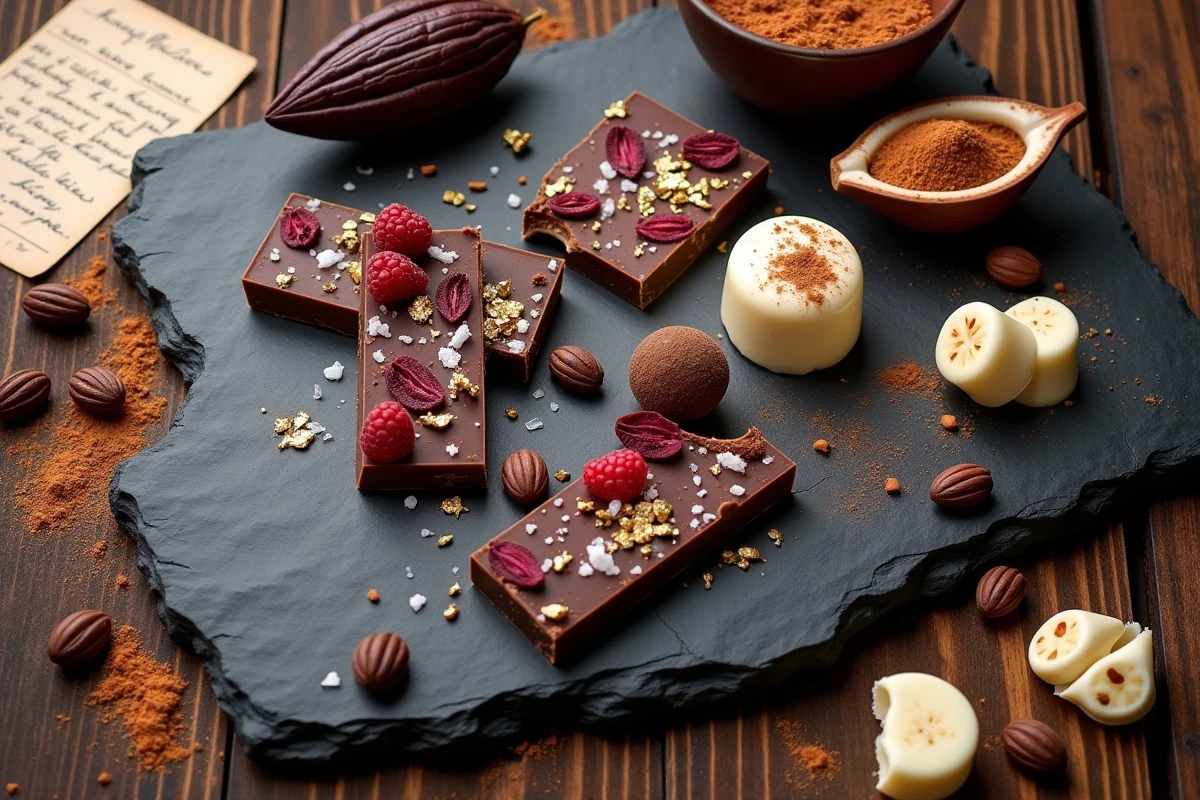
Have you ever noticed that the fruit of the cacao tree looks like a large elongated melon? Inside, the beans are immersed in a white, sweet, and tangy pulp. For centuries, Mesoamerican populations consumed this pulp as is, long before roasting the beans.
The industrial sector, on the other hand, discarded this pulp. In recent years, players like Barry Callebaut (Cabosse Naturals range) have been transforming this flesh into juice, syrup, or powder. The goal is twofold: reduce waste in the production chain and offer a fruity taste, different from classic roasted cocoa.
Specifically, a cocoa pulp syrup brings citrus and lychee notes. Chocolatiers use it to naturally sweeten a ganache or flavor a drink. It is also a gateway to rediscover Aztec chocolate at La Cuillère aux Mille Délices, where the pre-Columbian logic of cocoa-fruit makes perfect sense.
Cocoa Beans and Production: What Really Affects Flavor
The taste of chocolate does not solely depend on the percentage of cocoa printed on the packaging. Three technical parameters matter more.
The Fermentation of Beans
After harvesting, the beans ferment for several days in wooden boxes. This step develops the aroma precursors. A short fermentation yields acidic and vegetal notes. A long fermentation leans towards fruity, even woody.
The Roasting
Like coffee, roasting transforms the aromas. A light roast preserves floral and fruity notes. A deep roast emphasizes bitterness and roasted notes. “Bean-to-bar” chocolatiers adjust this parameter bean by bean.
The Conching
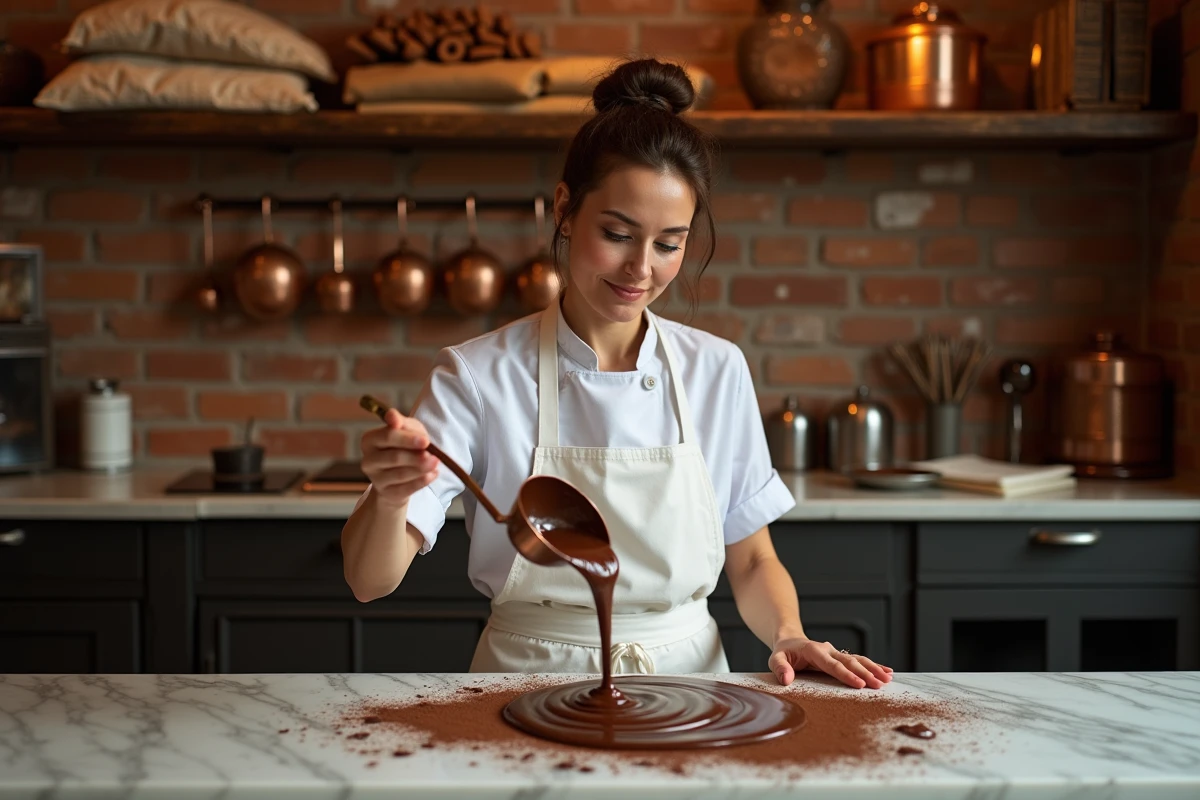
Conching lasts from a few hours to several days depending on the desired result. This hot mixing step refines the texture and removes residual acidity. A long conching produces a rounder chocolate in the mouth, with a silky melt. A short conching retains character, sometimes astringency.
These three steps explain why two bars with the same origin and cocoa percentage can taste radically different.
Rising Cocoa Prices: Why Your Bars Cost More
Since late 2023, cocoa prices on international markets have reached record levels. Two factors are at play.
- Weakened harvests in West Africa, where Côte d’Ivoire and Ghana concentrate the majority of global production. Unfavorable climatic conditions have reduced available volumes.
- Political decisions: these two countries have strengthened their minimum price mechanisms for producers and renegotiated certain export contracts, according to market bulletins from the International Cocoa Organization (ICCO).
- The impact on the entire chain: bars, pralines, spreads, cocoa butter – each finished product absorbs this increase, from entry-level dark chocolate to creations by artisanal chocolatiers.
For consumers, this means that the price of a bar now also reflects the agricultural policies of producing countries. Choosing chocolate from transparent supply chains also means understanding where this cost comes from.
European Regulation on Deforestation: What Changes for Chocolate in Europe
The European Union has adopted a regulation that prohibits the marketing of products linked to deforestation. Cocoa is one of the targeted raw materials.
In practice, importers must prove that their beans do not come from deforested plots after a reference date. Each batch of imported cocoa must be geolocated down to the production plot. This traceability, which was still rare a few years ago, is becoming a legal obligation.
For brands and chocolatiers, this implies a documentation effort upstream. For consumers, it is a trust lever: chocolate compliant with this regulation guarantees a direct link between the bar and its geographical origin, verified by satellite data.
Tips for Tasting and Cooking with Chocolate Differently
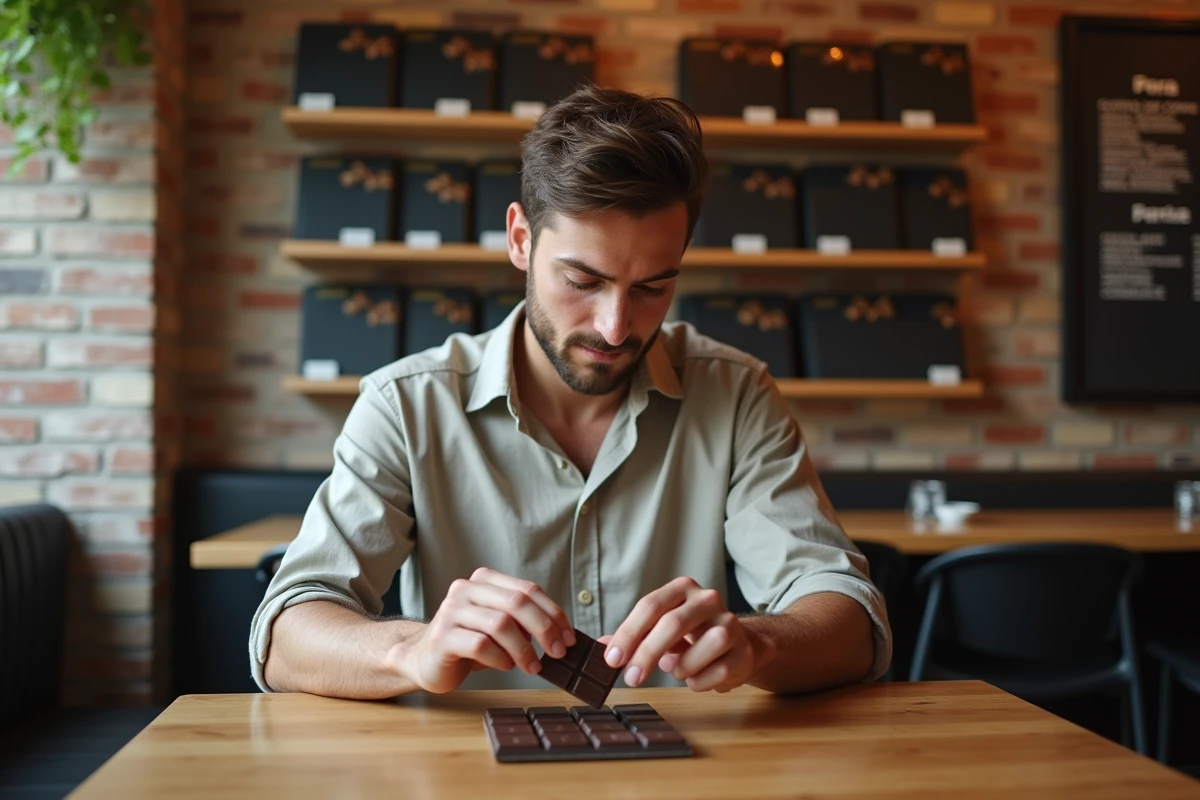
Tasting chocolate like wine requires a bit of method. Start by breaking the square: good chocolate produces a clean “snap.” Let it melt on your tongue without biting. The aromas come in three phases: first acidity, then bitterness, finally long notes (dried fruits, spices, floral).
- Pair a dark chocolate with fruity notes with aged sheep cheese. The rich-acid contrast works better than the classic chocolate-coffee pairing.
- Replace sugar with cocoa pulp syrup in your homemade ganaches. The result is less sweet, with a natural acidity that enhances the flavor.
- Use unsweetened cocoa powder in chili con carne or mole sauce. Cocoa adds depth without sweetening the dish.
- Store your bars between 16 and 18 °C, away from light. The refrigerator alters the texture and aromas.
Chocolate is going through a period of transformation. The rediscovery of cocoa pulp, the price increase linked to West African agricultural policies, and the European regulation on deforestation are reshaping the entire sector. A square of chocolate has never told so much about the world that produces it.